How Thick Should Glaze Be? A Beginner Guide to Specific Gravity
You mixed your glaze. It looked fine. But now your pots have bald patches and glaze rivers. Here's the thing: eyeballing it doesn't work. Your glaze isn't paint. It's suspended rock dust in water. And that suspension has a sweet spot. Too thin, and it won't stick. Too thick, and it'll crawl, crack, or completely trash your kiln shelves. But nobody tells beginners this. They just say "mix until creamy." Creamy what? Creamy like milk? Creamy like yogurt? That's not a measurement. That's a guessing game. And guessing with glaze is expensive.
Specific Gravity Sounds Scary. It Isn't.
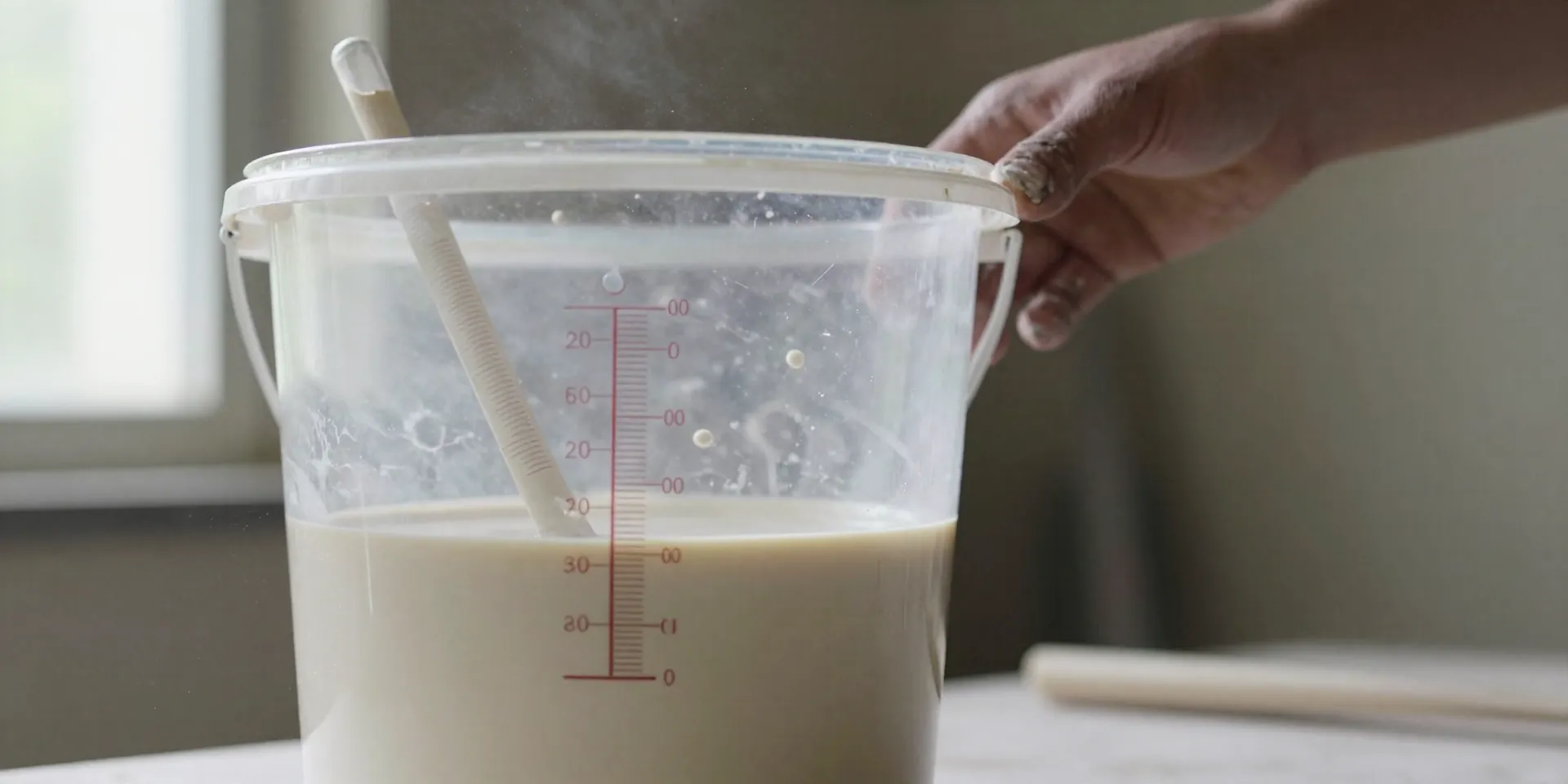
Specific gravity is just a fancy way of asking: how much heavier is this glaze than plain water? That's it. No chemistry degree required. Water weighs one gram per milliliter. Your glaze should weigh more. Usually around 1.4 to 1.5 grams per milliliter, depending on the recipe. But here's where people panic. They see numbers and think lab coats and beakers. Actually, you just need a scale and a container. Or a hydrometer if you're fancy. You measure. You note it down. You win. Because once you know your specific gravity, you stop hoping your glaze works. You start knowing.
How to Actually Measure This Thing
Grab a 100ml cup. Weigh it empty. Write that down. Fill it with glaze to the line. Weigh it again. Do some subtraction. Then divide by 100. Boom. Specific gravity. Took you three minutes. If you bought a hydrometer, just float it in the bucket and read the number at the meniscus. Easy. But be careful. Glazes with lots of clay can trap air bubbles, and bubbles lie. They make your glaze look lighter than it is. So stir well. Let it sit. Stir again. Then measure. Lazy measurements give you lazy results. And lazy results mean re-firing pots. Nobody wants that.
The Magic Number (And Why It's Not Always Magic)
Most potters aim for a specific gravity between 1.45 and 1.5. That's your starting line. But. And this is a big but. Different recipes want different things. Shino glazes often like it thinner. Engobes sometimes want to be practically milk. Dipping glazes for production can go heavier. Your recipe notes should tell you. If they don't, test. Make six tiles. Vary the thickness. Fire them. Look at them. One will look right. That tile tells you what your specific gravity should be for that specific bucket. This isn't universal truth. It's personal preference disguised as science. And that's okay.
Thick or Thin? Fix It Without the Drama
Too thick? Add water. A little at a time. Not a torrent. Measure again. Stir for longer than you think. Glazes hide water on top. Too thin? Let it evaporate. Or add more dry material if you're patient and own a respirator. Actually, just let it sit with the lid off for a day. Simpler. Safer. But never, ever adjust your glaze without writing down what you added. Label the bucket. Date it. Note the new specific gravity. Because three months from now, you'll stare at this bucket and wonder what you did. Your future self is counting on your present self to not be sloppy. Don't betray them.
Stop Guessing. Start Firing Better Pots.
Specific gravity removes the voodoo from glazing. It's the difference between crossing your fingers and controlling the outcome. Beginners often think ceramics is all feel and intuition. Some of it is. But glaze thickness? That's data. Get the data. Use the data. Your kiln will thank you. Your customers will notice. And you'll spend way less time grinding drips off shelves with an angle grinder. Which, by the way, is the worst job in pottery. Measure once. Fire clean. Move on.