How to Wick Test Soy Candles Like a Beginner Who Wants Pro Results
Here's the thing about soy candles. You can use the best wax, the most gorgeous jar, and a fragrance oil that smells like heaven itself. But if your wick is wrong? Your candle is trash. Full stop. Wick testing is the single most important step in candle making, and yet it's the one beginners skip because it feels boring. It isn't. It's where the magic happens. This isn't just a "soy candle wick guide" for fun—it's the difference between a candle that tunnels and drowns and one that burns clean and bright. You want pro results? You test like a pro. Even if you're currently googling "what is a wick clip." That's fine. We all start somewhere.
Build Your Wick Testing Lab (It's Cheaper Than You Think)
You don't need a fancy studio. You need a kitchen counter, some patience, and the willingness to burn a few candles purely for science. For proper wick testing, grab your wax, your fragrance load (usually 6-10% for soy), and at least three different wick sizes per jar. Label everything. Seriously. You will forget which wick is which, and then you're just burning mystery candles. Keep notes. I use a cheap notebook and a pen. Old school. Write down the wax type, fragrance percentage, jar dimensions, pour temperature, and cure time. "Beginner candle making" doesn't mean sloppy. It means you're building the habit of precision now so you don't have to unlearn chaos later.
The Burn Test: Where Patience Meets Brutal Honesty
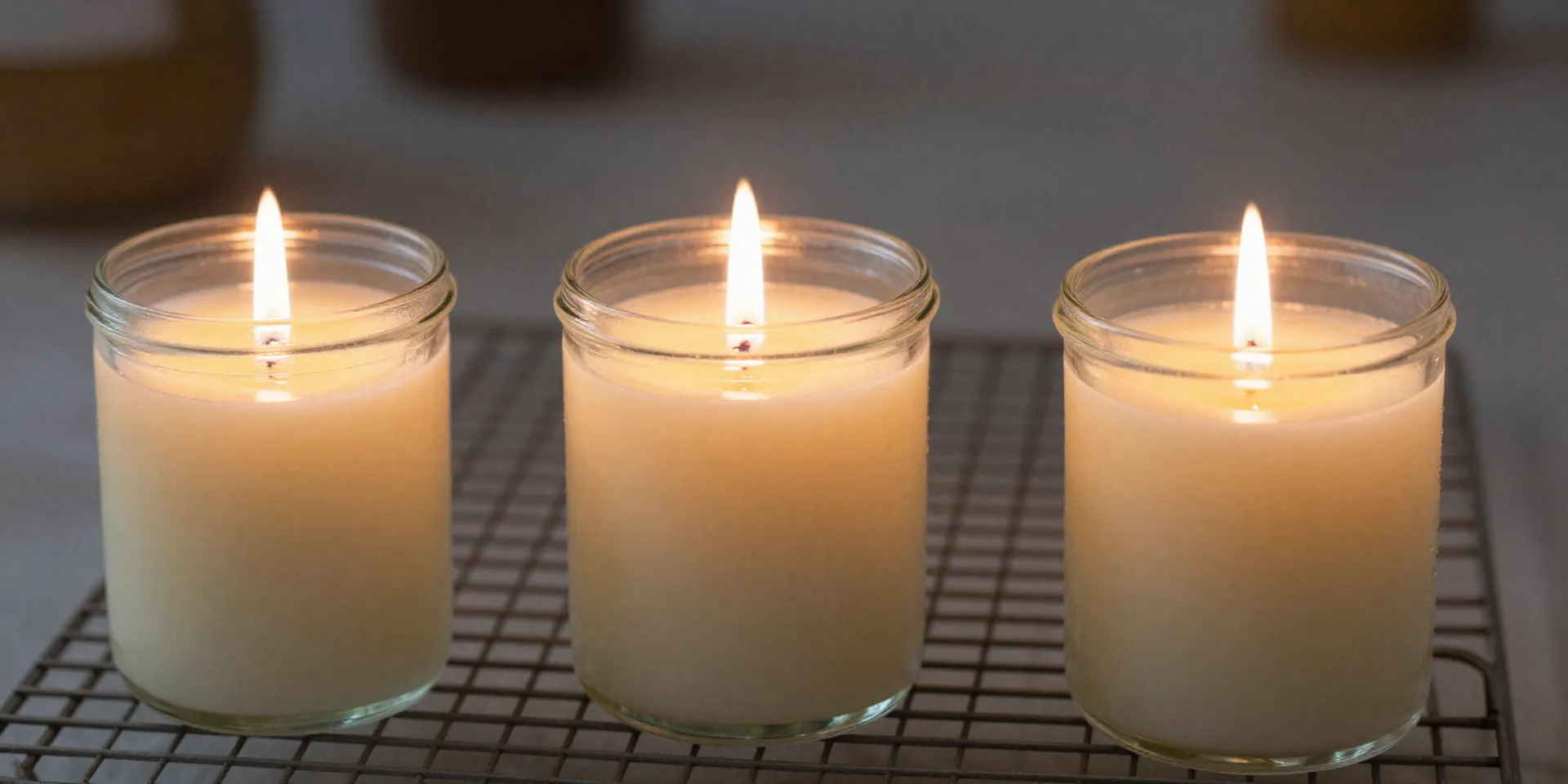
Light 'em up. And then do absolutely nothing for hours. This is the hard part. For a proper candle testing routine, you need to burn each candidate for at least two to four hours at a time, depending on the jar diameter. Watch the melt pool. It should reach the full edge of the container within two to three hours for most sizes. Too fast? Your wick is too big. You'll get soot, overheating, and a jar that's too hot to touch. Too slow? You'll get tunneling, wasted wax, and that sad little ring of unmelted wax hugging the glass. Neither is acceptable. Document everything. How's the flame height? Any carbon buildup on the tip? Does the jar get scary hot? Be ruthless. Your customers—or your own living room—deserve better than a guess.
Read the Wax: What Your Candle Is Actually Telling You
Your candle speaks. Most people don't listen. After each burn cycle, look at the wick. Is there a mushroom cap? That's carbon buildup, and it means your wick is choking. It's too big for the wax load, or your fragrance oil is clogging the works. Trim that mushroom off before the next burn. Actually, trim the wick to a quarter inch before every single burn. Non-negotiable. Look at the glass, too. Any soot stains? That's a cry for help. A well-wicked soy candle should have a clean, bright flame and a melt pool that looks like a mirror. If you're seeing smoke, flickering, or hearing weird popping sounds, your wick testing isn't done. Go back. Try a size up or down. Swap from cotton to paper core. Adjust your fragrance load. The wax never lies. Your ego will. Trust the wax.
One Last Trick the Pros Swear By
Once you've found a wick that works in one jar, test it in a different one. Same wax, same fragrance, new vessel. Jar shape and diameter change everything. A wick that's perfect in a straight-sided tumbler might fail miserably in a narrow mason jar. I know. It's annoying. But this is how you build a real line of candles that actually work instead of a graveyard of almosts. Cure your candles for at least two weeks before testing. Soy wax needs time to harden and bind with the fragrance. Testing too early is like judging a cake before it cools. Pointless. And when you finally nail it? When that flame sits tall and the melt pool is flawless? That's the feeling. That's why we do this. Not for the Instagram photo. For the burn.