How to Find the Best Sharpening Angle for Hard Japanese Kitchen Knives
Hard Japanese knives aren't forgiving. We're talking HRC 60 to 66. That hardness holds an edge forever, but chip it with the wrong angle and you're staring at a broken heart. German knives? Soft. You can beat them at 20 degrees and they'll bounce back. But your Yoshihiro or Shun? It wants precision. Not brute force. The best sharpening angle for hard Japanese knives usually sits between 10 and 15 degrees per side. Some go lower. Some push it. But 15 is the safe harbor. Go steeper if you're slicing nothing but fish. Wider if you're hacking through chicken bone. Actually, don't hack through bone with these. Please.
The Magic Happens Between 10 and 15 Degrees
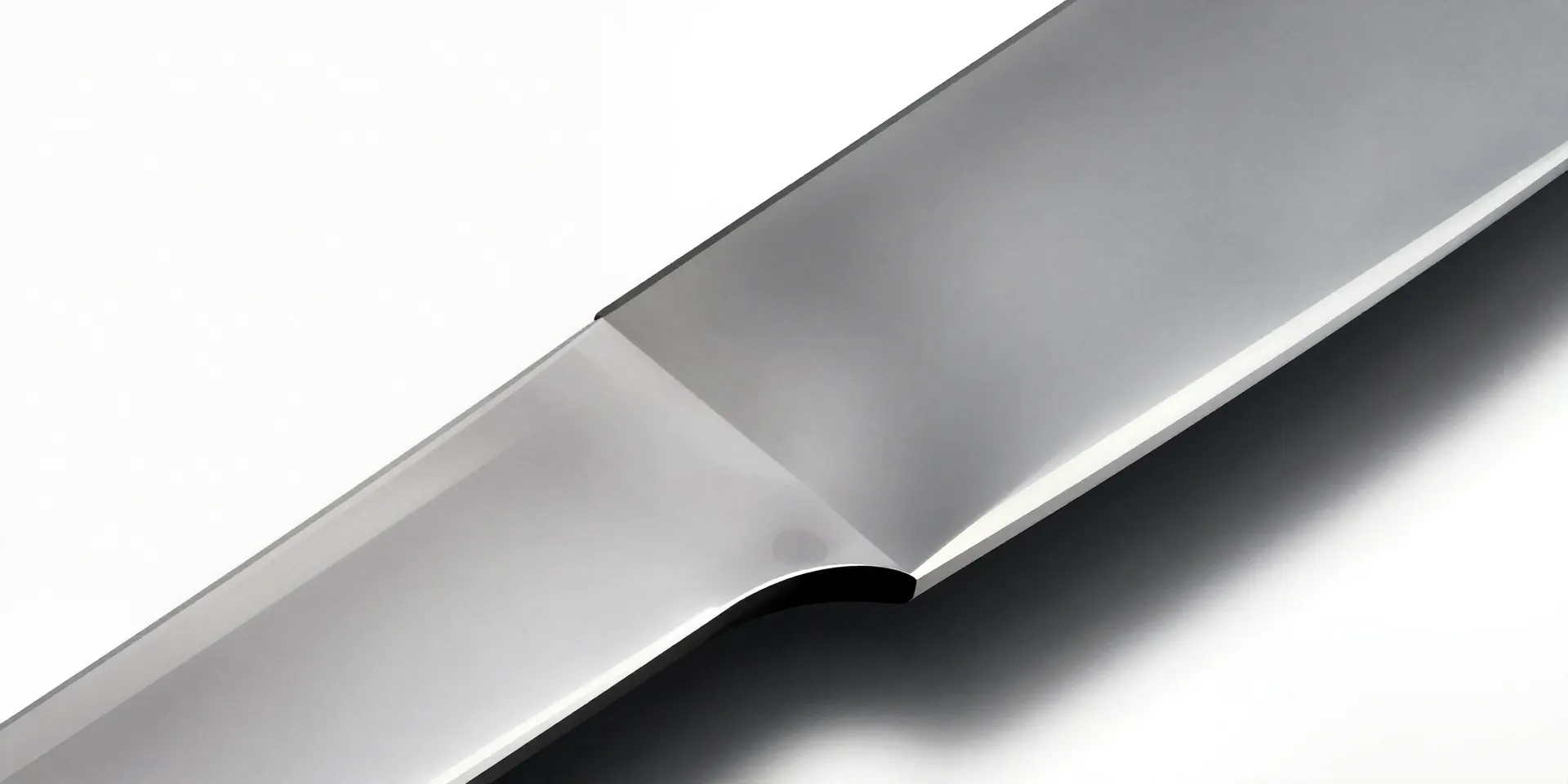
Here's the thing. Edge geometry isn't just about one number. It's a negotiation. Hard Japanese knives thrive with acute angles because the steel can support them without folding over. A 12-degree edge on White Steel #2? Chef's kiss. Try that on a soft stainless blade and it'll roll before you finish your onion. But angle alone means nothing if your bevels are uneven. You're building a micro-sculpture. Two planes meeting at a hairline. Asymmetrical grinds—like 70/30—are common on single-bevel traditional knives. Even your double-bevel gyuto might favor one side slightly. Pay attention to what the maker intended. Copy that first.
Asymmetry Is a Feature, Not a Bug
Most people think a knife edge looks like a perfect V. Symmetrical. Boring. Real Japanese edge geometry is weirder. And better. A 70/30 or even 60/40 grind steers the food away from the blade as you cut. Less sticking. Cleaner slices. But it means your sharpening job can't be lazy. You have to spend more strokes on the dominant side. Match the existing geometry or you're rewriting the knife's DNA. And if you don't know what it is? Use a marker. Color the very edge. Take a few strokes on a stone. See where the ink disappears. The knife will tell you. You just have to look.
Freehand vs. Guides: The Argument Nobody Wins
Guided rod systems promise the best sharpening angle every time. And yeah, they deliver consistency. But they also deliver scratches halfway up your blade if you're not careful. Freehand sharpening? Terrifying at first. Liberating later. Your muscle memory learns the angle. Your ears hear when the stone bites right. There's no app for that. Start with a cheap knife. Not your $400 Honyaki. Practice holding 15 degrees until your hand cramps. Then keep going. Because kitchen knife sharpening is a craft, not a commute. You don't rush it.
Stop Destroying Your Edge on a Steel Rod
That metal honing rod hanging in your kitchen? Throw it out. Hard Japanese knives laugh at those. Then they chip. Those rods are built for soft European steel that needs realignment. Hard Japanese knives don't bend back into place. They fracture. If you must maintain between sharpenings, grab a ceramic rod. Better yet, a leather strop with compound. Or just touch up on a 3000-grit stone for thirty seconds. It's gentler. It's smarter. And it respects the edge geometry you spent twenty minutes perfecting. Why build a cathedral and then kick the door down?
Thinning Is Where the Obsessives Live
Sharpening the very edge is only half the battle. Behind that edge lives the shoulder. The bevel. And over months, it thickens. The knife wedges in carrots instead of gliding. That's when you thin. You drop the spine slightly and grind the steel behind the edge. Lower angle. Wider bevel. It restores the geometry without changing your cutting edge. Most home cooks skip this. Their knives get thick and sad. Don't be most home cooks. Thin your blade once or twice a year. It takes longer. It sucks. Your arms burn. Then you cut a tomato and remember why you bothered.